
Empty Leg Flight
An empty leg is a one-way private jet flight sold at a discount because the aircraft would otherwise fly empty on that route. Discounts range from roughly 25% to 75% off a standard charter, with a catch: you take the schedule as it is.
Why they exist
Private jet operators don't have the luxury of parking a $40 million aircraft wherever it last landed. If one customer charters a jet from Boston to New York on Monday and another charters the same jet from Miami to Aspen on Wednesday, the plane has to get from New York to Miami in between, with or without passengers. The operator pays the crew, the fuel, and the landing fees either way. Selling the New-York-to-Miami leg at a steep discount is better than flying it for nothing. That's the entire economic logic.
What you actually get
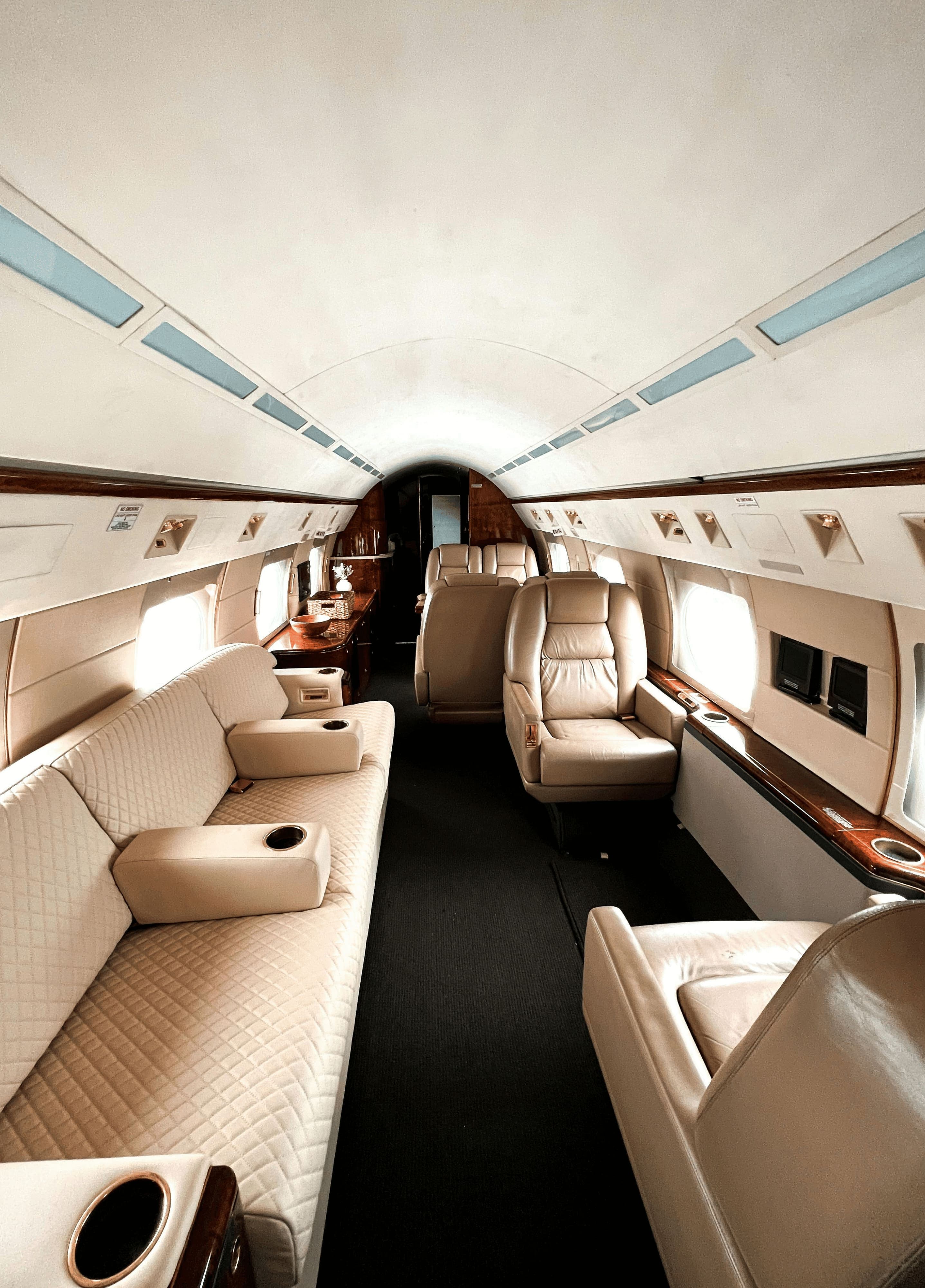
The aircraft is the same one the full-fare customers are flying: same cabin, same crew, same catering, same FBO experience. The discount isn't a reflection of lower quality; it's a reflection of the operator recovering sunk cost. A flight that might list at $60,000 on the standard charter market can show up on the empty-leg market at $18,000. On less-popular routes, the discount can go further still.
The catch, honestly
- 1Origin and destination are fixed
If the empty leg is Van Nuys → Aspen, it is not Van Nuys → Vail, not Burbank → Aspen, and not LAX → Aspen. The aircraft is going where the next paying customer needs it to be.
- 2Date and time are fixed
Departure windows are narrow. Some operators offer a few hours of flexibility; most don't. You adjust your schedule to the aircraft, not the other way around.
- 3Availability can evaporate
If the primary booking that created the empty leg changes (the original customer cancels, the return trip shifts), the empty leg often vanishes with it. Operators protect the primary customer, not the discount buyer. Assume the leg is contingent until you're wheels-up.
That rigidity is why empty legs are spectacular for some travelers and useless for others. If you have a vacation home in Aspen, live in Los Angeles, and can drop everything on Thursday morning, you'll find more empty legs per year than you can realistically use. If you need to be in Aspen on the 14th for a specific meeting, you probably need to charter normally.
Empty leg vs. repositioning flight vs. deadhead
These terms overlap and are often used interchangeably, but there are shades. A deadhead is industry shorthand for any leg flown without revenue passengers; it's the broadest term. A repositioning flight is a deadhead flown specifically to move the aircraft to where its next job starts. An empty leg is a repositioning flight that's been put up for sale. All empty legs are repositioning flights; not all repositioning flights are for sale. "Empty leg" has become the consumer-facing name for the product and the term you'll see on listing sites.
How to find them
Empty legs don't sit on a central marketplace the way commercial flights do. They're published by individual operators, listed on broker sites, and sometimes only surface through email alerts. Because they're time-sensitive (often posted 24 to 72 hours before departure), the best way to catch the right one is to subscribe to alerts for routes and date windows you care about. ReserveJets publishes live availability at the empty legs page.